- IThe Foyer
- IIWork in Progress
- IIIThe Series
- IVThe Artist
- VPrint Shop
- VIYour Collection
- VIIStudio Journal
- VIIICorrespondence
Velo Paintings
The Artist
Christopher Watson · Peterborough, New Hampshire
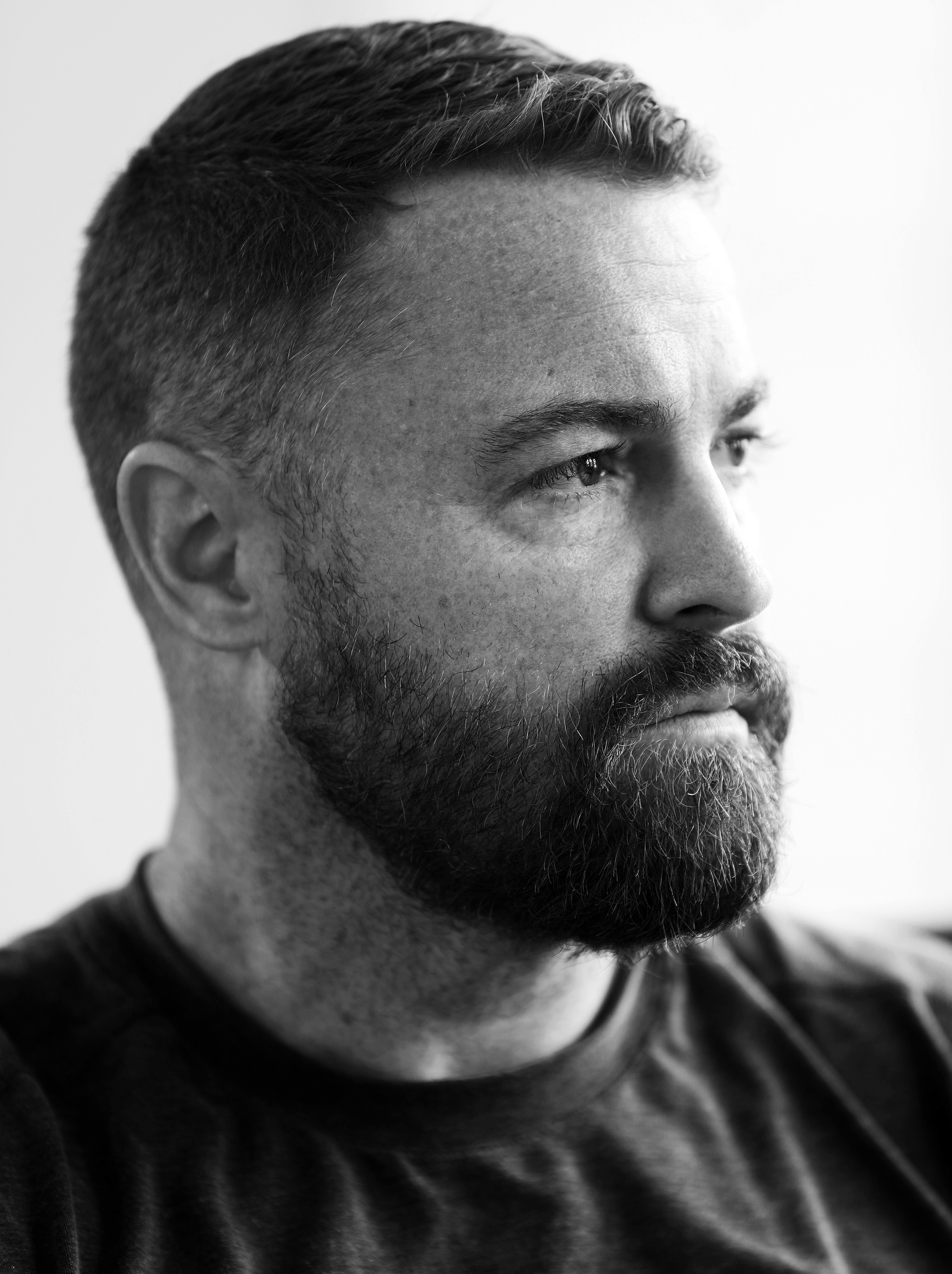
A life lived in motion
Christopher Watson is an American oil painter whose work explores movement, memory, and the enduring spirit of the road. His paintings draw from a life lived in motion, shaped by long-distance cycling, endurance sport, and a deep connection to the landscapes that define human effort and quiet reflection.
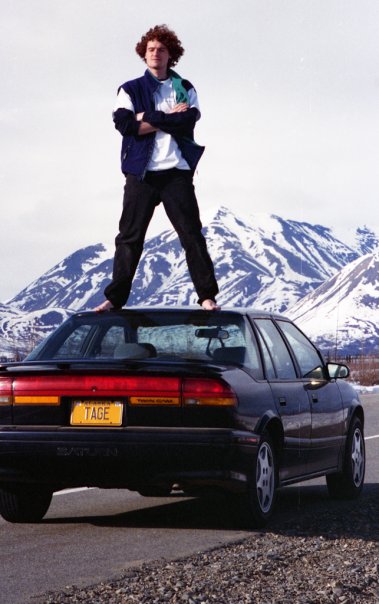
In the early 1990s, Watson hitchhiked more than ten thousand miles across the United States, traveling without a fixed plan or destination. That experience became a foundation. It instilled a lifelong pursuit of simplicity, resilience, and awareness. The road did not end when the journey was over. It evolved into a way of seeing.
He went north to Alaska, started his first company with nothing but a creative idea, and spent the following decades building a career around the outdoors as much as around the work. Snowboarding, mountaineering, rock climbing, swimming, cycling, running. The career grew around the life, never the other way.
Thirty years of building things that disappear
Watson has been directly connected to the internet since before the release of Mosaic Netscape in 1994. Over three decades of software development and startups, he built things that worked, that people relied on, and that eventually went dark. Not through failure. Through time.
Everything he has ever shipped has been made obsolete. Hardware changes. Stacks deprecate. The services a codebase depends on get acquired and shut down. Some of his projects survived twenty years through careful maintenance and good architecture. But the rule holds. In a decade, none of the code any of us have written will exist in its current form.
There is something clarifying about sitting with that long enough. And something that quietly changes what you decide to make next. A medium that outlasts its maker is a different kind of commitment than a codebase.
The body as a separate argument
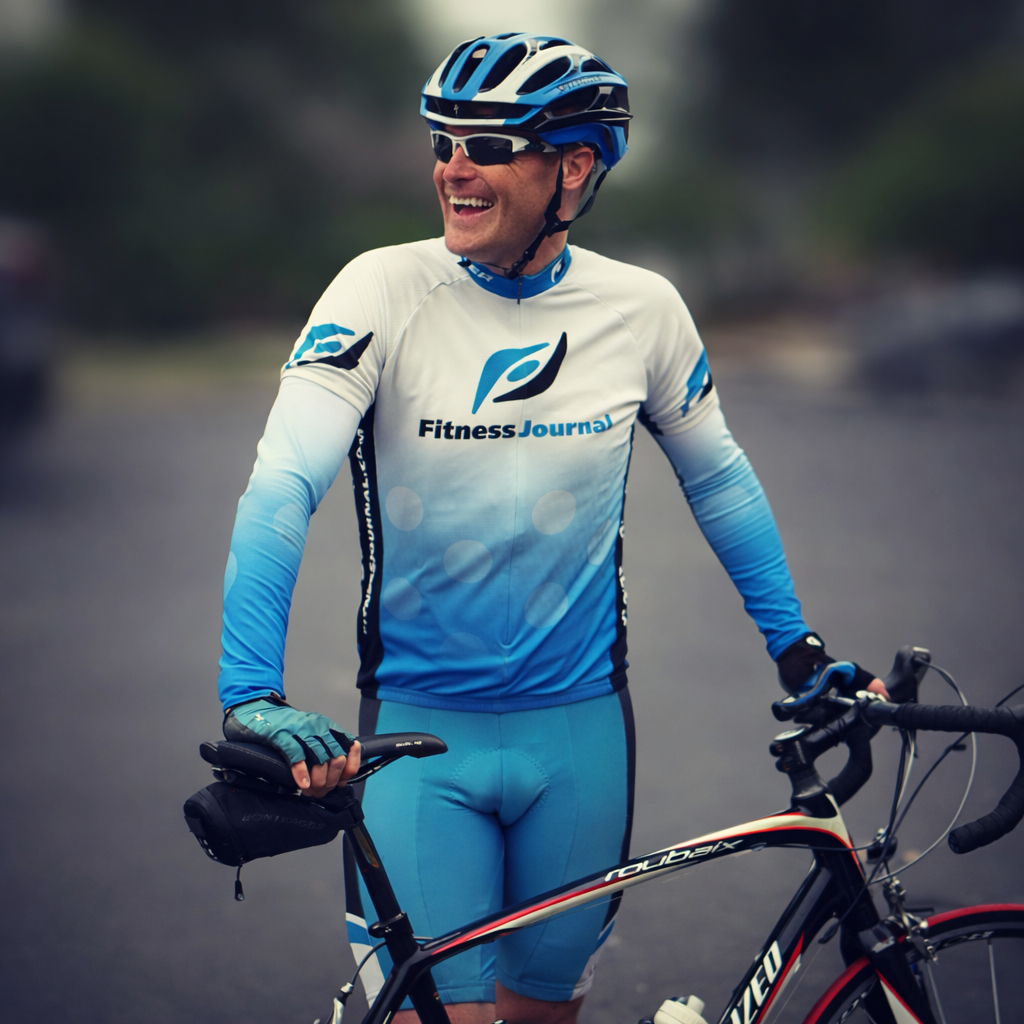
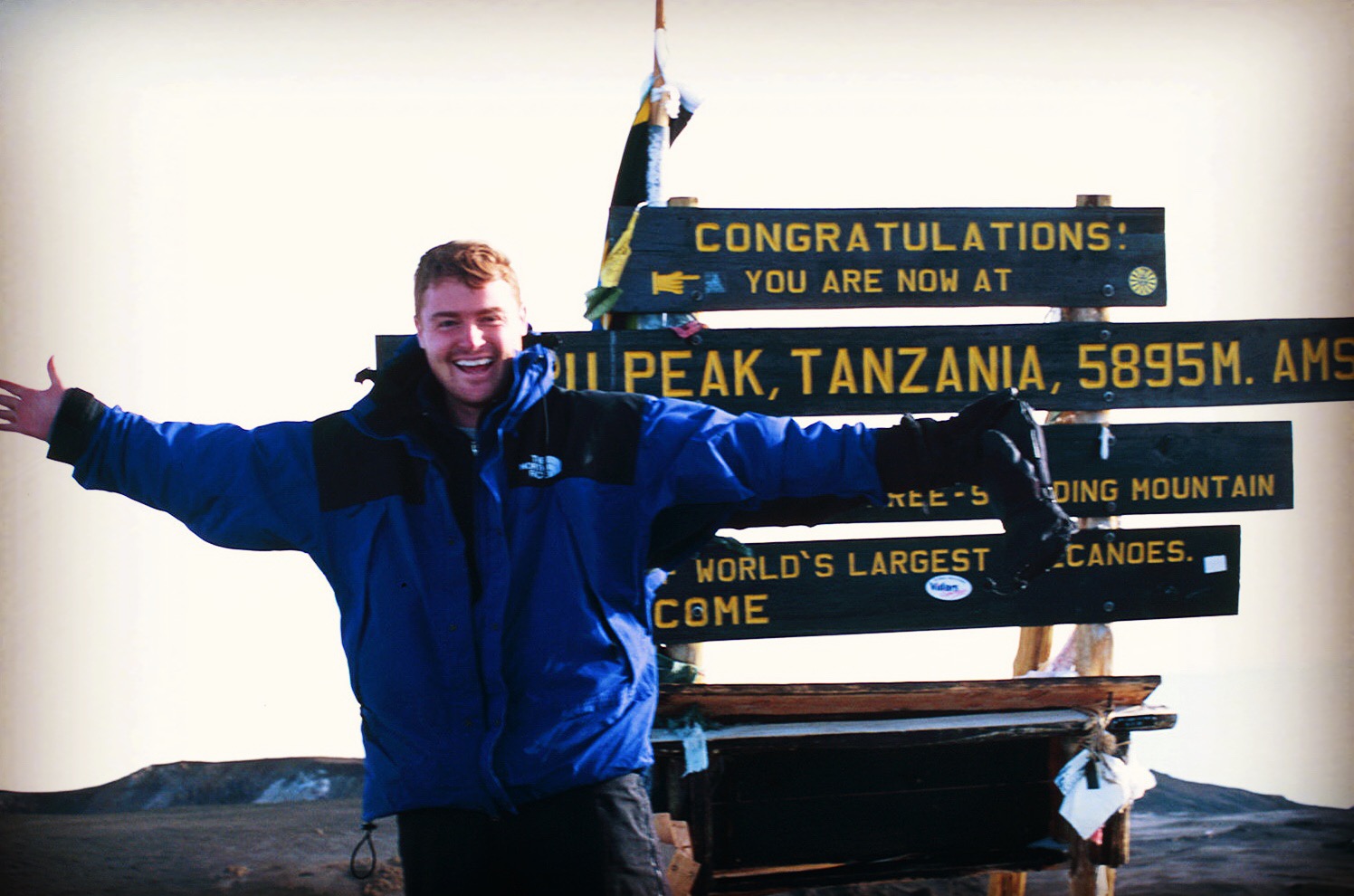
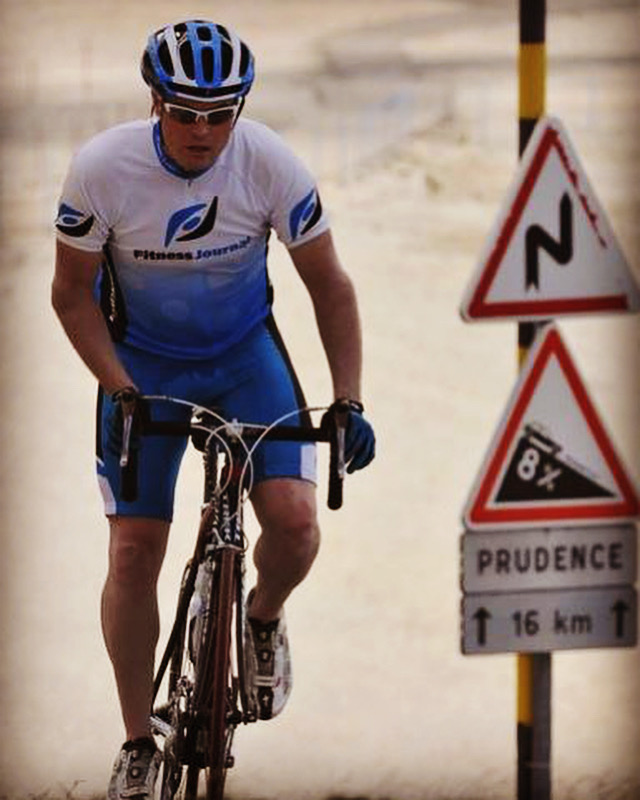
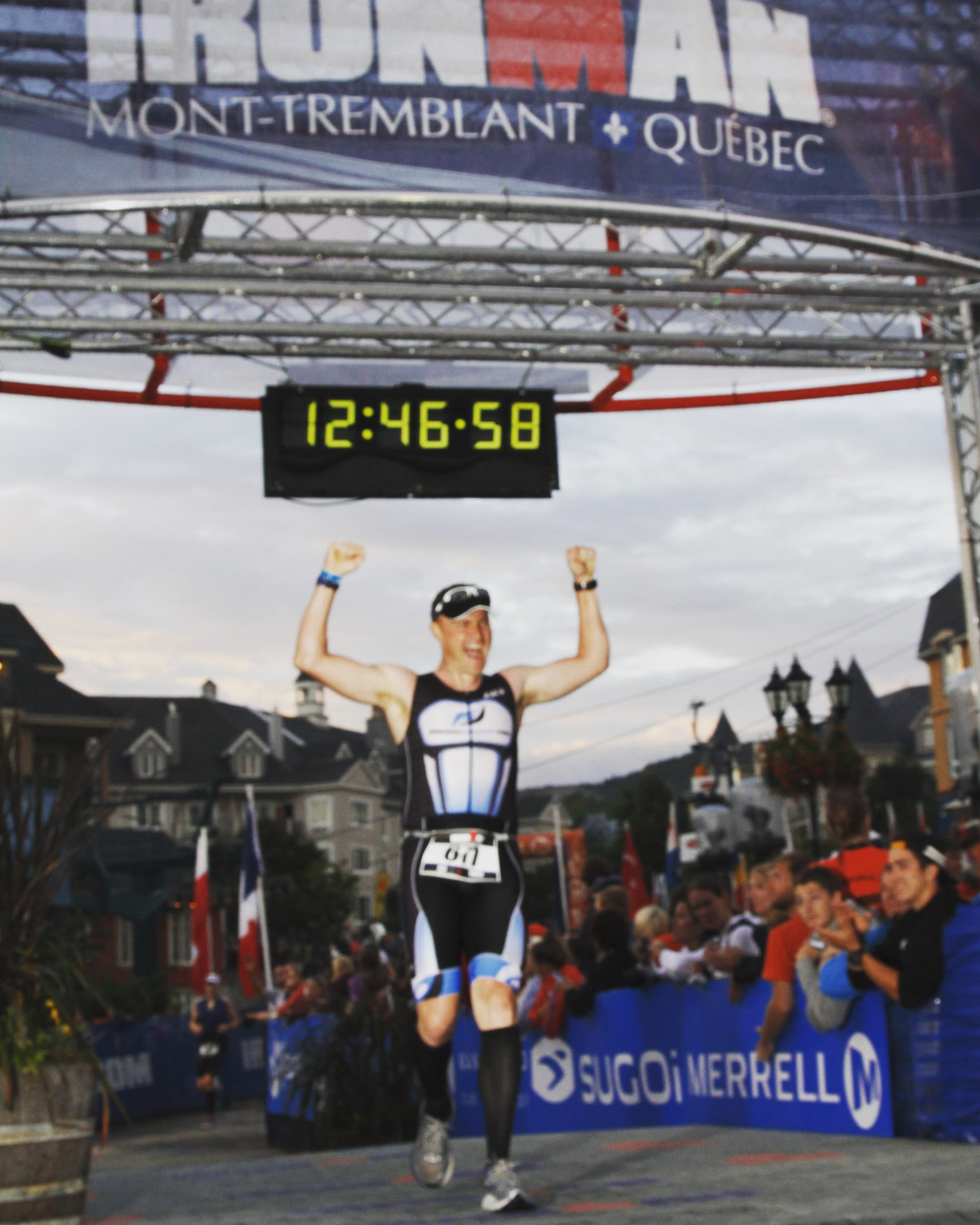
The physical life has always run alongside the technical one. Watson summited Kilimanjaro in 2002. He has completed twelve Ironman triathlons. In 2013 he rode from Sonoma to Las Vegas by way of Death Valley, chosen because it was hard and because the light through that valley in August is unlike anything else on earth.
Watson's paintings draw directly from that connection to landscape and effort. A deep climb. A quiet road stretching into open country. A figure reduced to its essentials by distance and light. These are things he understands from the inside. The work carries that understanding without stating it.
Spend enough time in the saddle and you begin to feel what those riders in the early 1900s were carrying. The effort in a rider's posture. The weight of a long day in the set of the shoulders. These are things you read differently after ten hours of your own. That physical knowledge is in the paintings.
A change of medium
There comes a point in a long career when the question shifts. It is no longer about how something is built, but why it is built at all.
After three decades at the keyboard, Watson began to weigh what he had created against the cost of creating it. The deep, uninterrupted stretches of focus he valued most had become rare. The work that once demanded his full creative attention had gradually fractured, pulled in too many directions at once. Over time, the tools he had mastered began to shape the work in ways he no longer controlled.
Painting emerged as a direct response. It offered a return to something essential. A practice grounded in presence, where the outcome of a day's work is determined by observation, patience, and the honesty of the hand. Nothing interrupts it. Nothing measures it. Nothing competes for attention.
Only the work remains.
Having spent the vast portion of my career entirely connected, I find real solace in doing something that requires no computer, no internet, not even any electricity. These paintings can be shared with my kids, and their kids, and their grandkids. That is a different kind of permanence than anything I have ever shipped.
Something you can touch
People are going back to vinyl. Back to darkroom photography. Back to paintings on walls rather than images on screens. The hunger for things that are physical, that you can hold, that ask only for your attention and give something real in return, is one of the defining instincts of this moment. Watson arrived at that instinct through his own path, but the destination is the same.
His current body of work, The Golden Age of Cycling, revisits the period between 1890 and 1930. Rather than replicating historical imagery, Watson strips it down to its essence. Riders, roads, light, and atmosphere remain. Advertising, typography, and noise fall away. What is left is something quieter and more enduring. Each painting is built to feel both familiar and rediscovered, as if the viewer is stepping into a moment that has always existed.
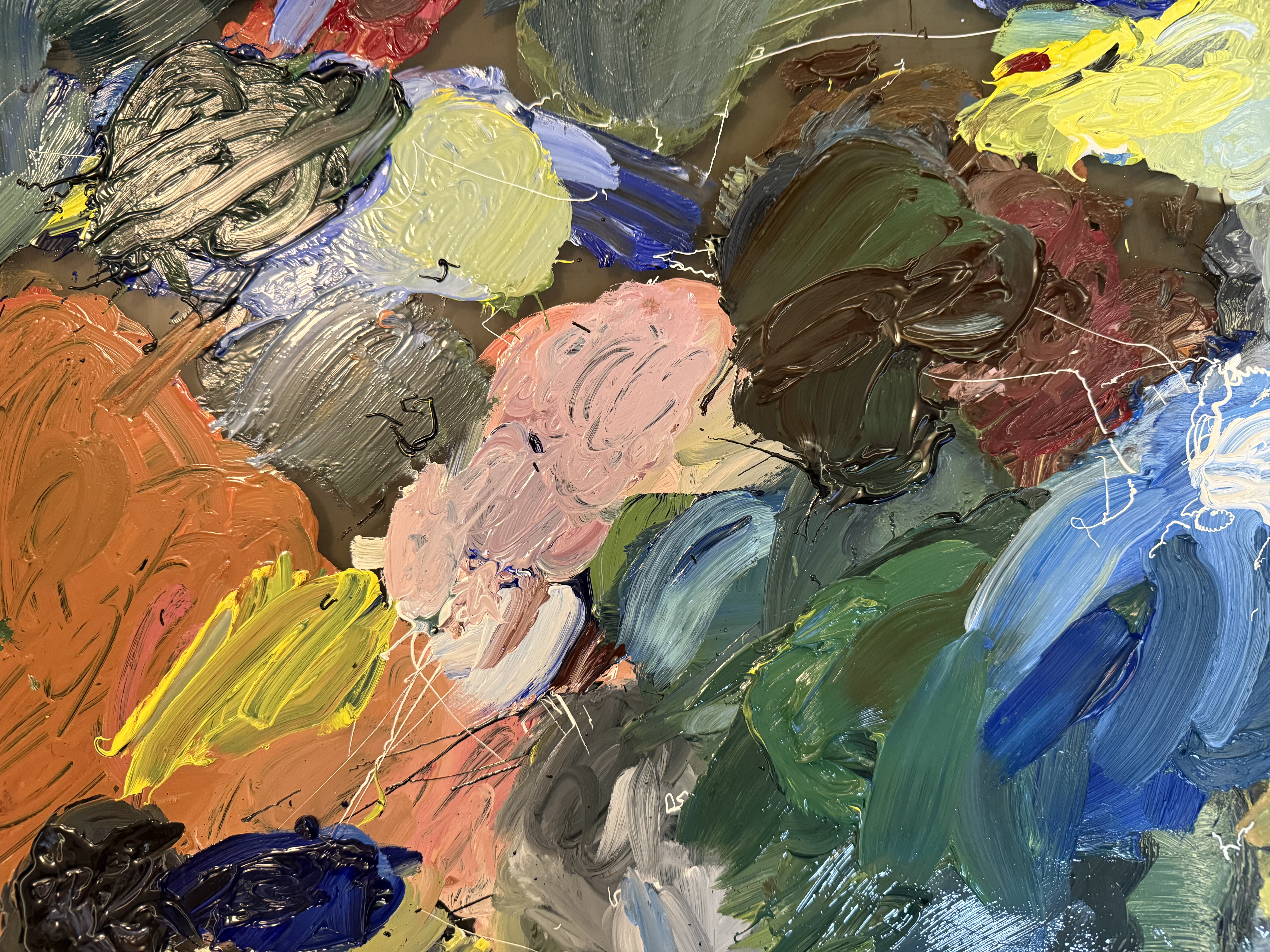
Working in large-format oil on canvas, often at 48 by 60 inches, Watson approaches painting as a physical act. The scale invites immersion. Brushwork remains visible. Surfaces carry the weight of time and intention. The goal is presence, and the work carries it.
Painting speaks without introduction. You look, and something either happens or it doesn't. No translation needed, no context required. Someone who has never touched a bicycle can feel the weight of a long climb, the loneliness of a road at dawn. That kind of reach - across language, across experience - is not incidental to this work. It is the whole reason for it.
This site was built with one intention: to give people a few quiet minutes with the work. No advertising. No data harvesting. No agenda beyond the paintings themselves. Come in, look, and leave feeling better than when you arrived. That is the entire brief.
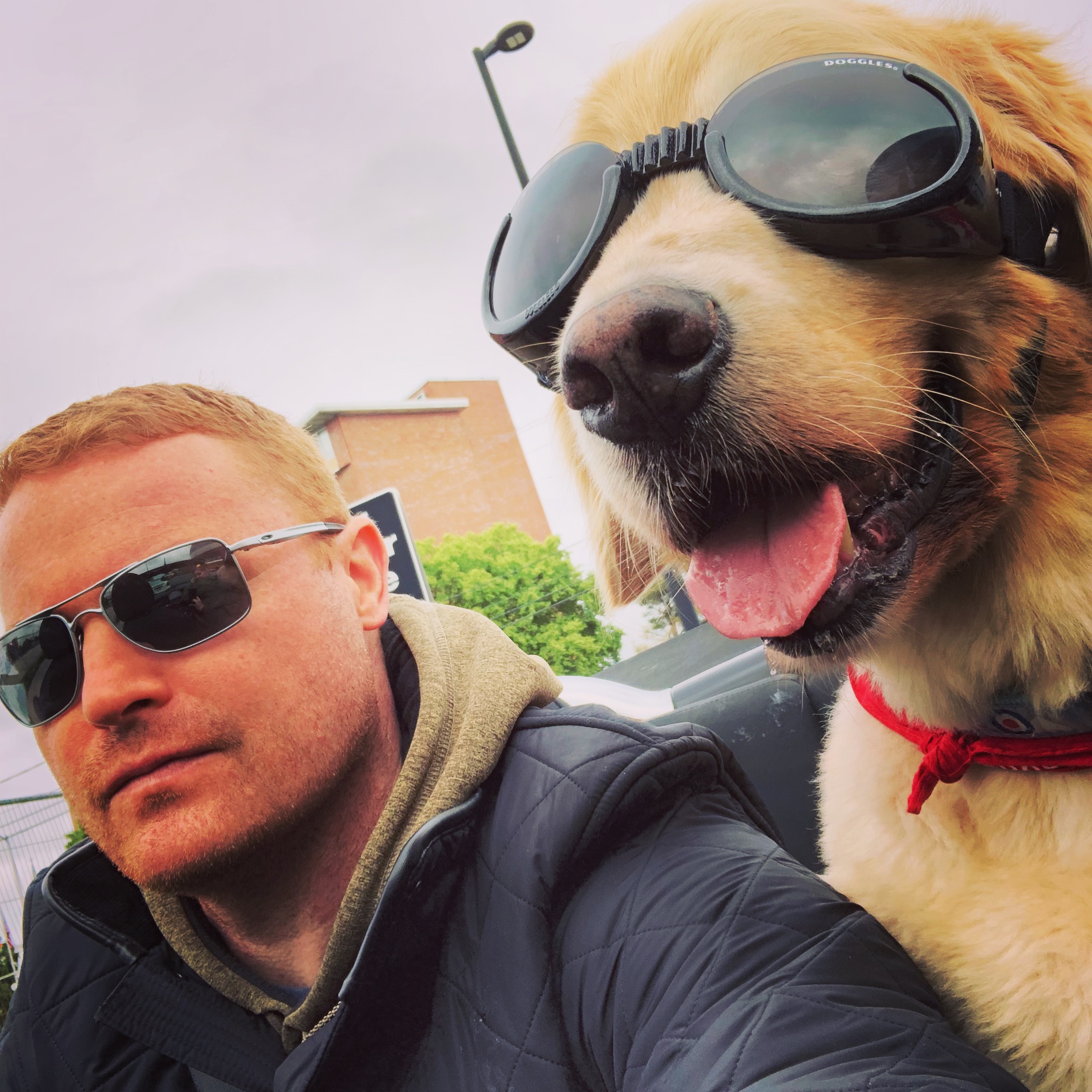
The studio is in Peterborough, New Hampshire. It has good light in the mornings, a golden retriever who has opinions about cadmium yellow, and no particular interest in the news cycle.
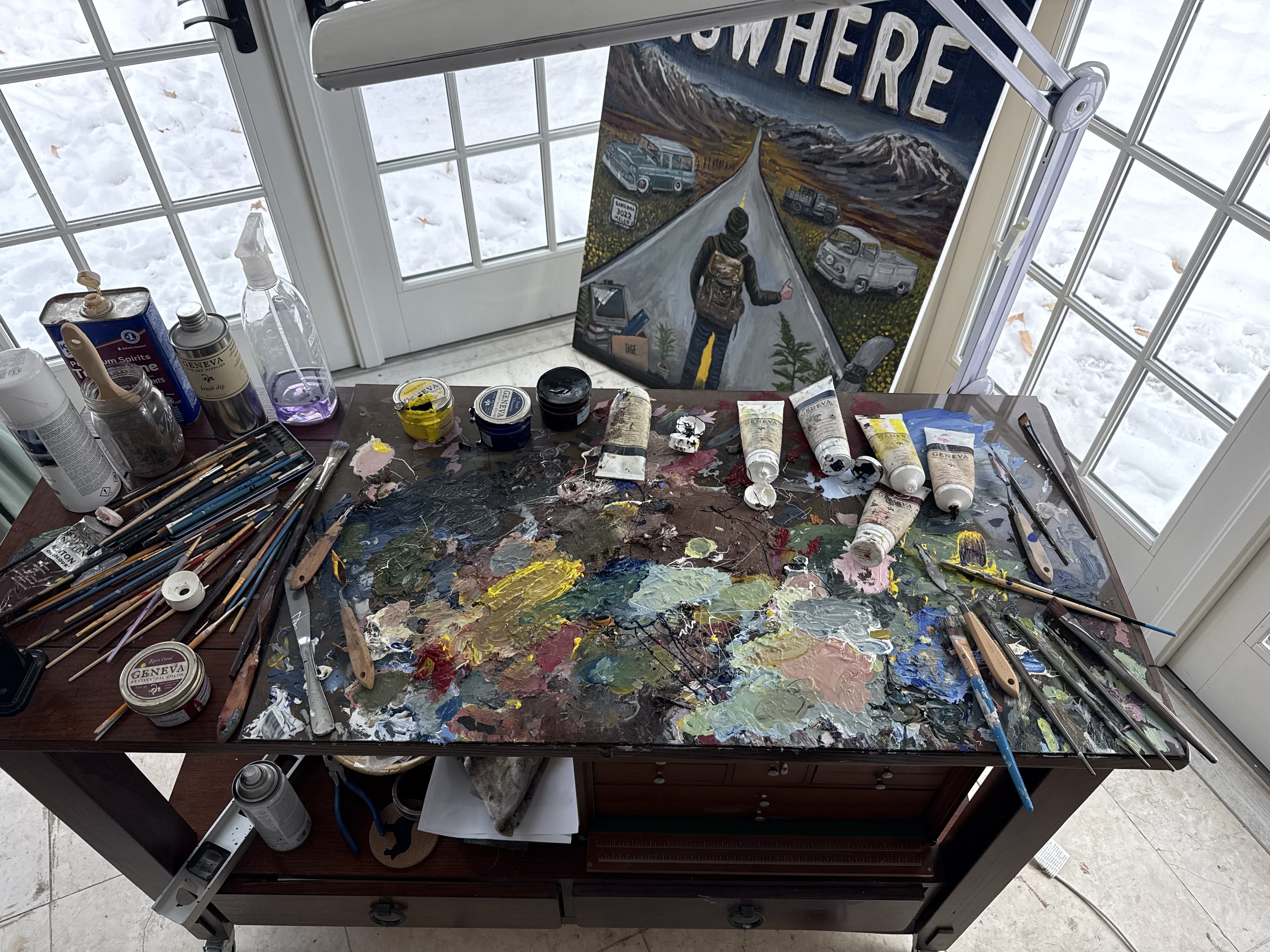
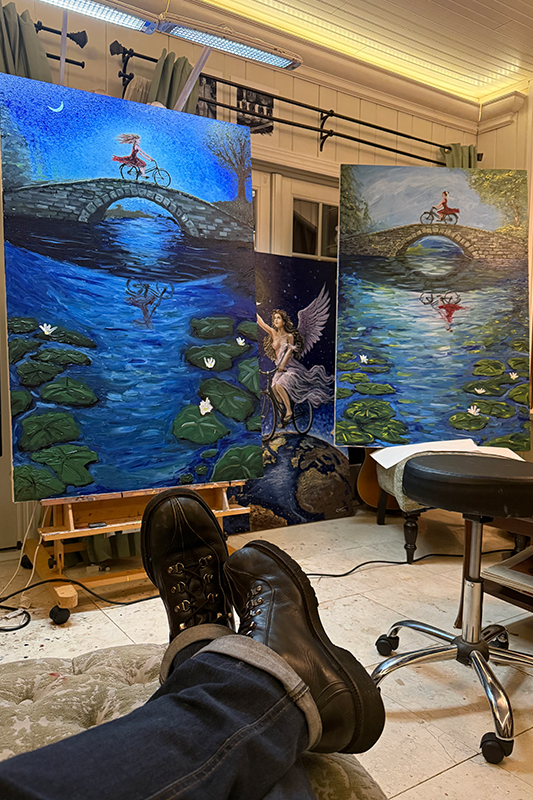
The studio in Peterborough is home to a small permanent collection of originals. Private viewings are available by appointment for those who would like to see the work in person.
The road continues.
Request a Private Viewing